Affiliate disclosure: As an Amazon Associate, PitPrimer earns from qualifying purchases at no additional cost to you. Product availability subject to change.
Both dry and wet brining exist to solve the same problem — meat that dries out over a long, low-and-slow cook — but they work through different mechanisms, and picking the wrong one for a given cut wastes a day of prep for a marginal result. Neither is universally “better”; the right choice depends on what you’re cooking and how much time you actually have.
What each one is actually doing
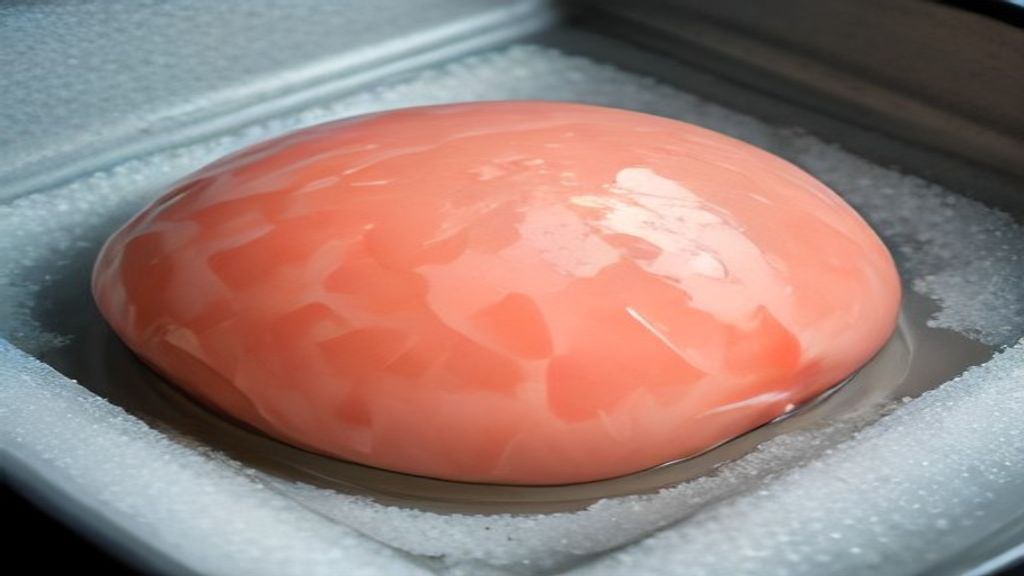
A wet brine is a salt-and-water solution the meat soaks in, and it works by osmosis — the meat absorbs both salt and water, which is why brined poultry comes out noticeably juicier. A dry brine is just salt applied directly to the surface, and it works differently: the salt draws moisture out initially, then that salty liquid gets reabsorbed back into the meat over several hours, seasoning it deeply without adding outside water.

- NEW LOOK – SAME GREAT SALT!
- No Additives & Less Sodium: The only pure kosher salt with 53% less sodium by volume compared to table salt. Perfect for everyd…
- Light Texture: Renowned for its distinctly coarse yet fragile texture, our hollow kosher salt flakes can be crumbled between fi…
Dry brine wins for anything with skin you want crisp
Wet brining leaves the surface of poultry skin waterlogged, which works against getting it crisp on a smoker or grill — the moisture has to cook off before the skin can start to render and crisp up. Dry brining a whole chicken or turkey overnight, uncovered in the fridge, actually dries the surface out as a side effect, which is exactly what you want going into the cook.
Wet brine wins for lean cuts with no fat cap to protect them
Pork loin, turkey breast, and chicken breast have very little internal fat to keep them moist through a long cook, and the added water from a wet brine gives them a real margin for error. A well-marbled cut like brisket or pork shoulder doesn’t need that margin — the internal fat does the same job a wet brine would.

- Tony Chachere’s Creole-Style Butter Injectable Marinade is the perfect way to add a flavorful boost to your meats. Just inject…
- If you love the flavor of Tony Chachere’s Creole Seasoning, then you’re going to love this Creole-Style Butter Injectable Marin…
- The Creole-Style Butter Injectable Marinade is the perfect way to inject smoky, spicy flavor into your food. Its buttery consis…
Time and mess: dry brine is the lower-effort option
A wet brine needs a container large enough to fully submerge the meat, a fridge with room for it, and a full rinse-and-dry step afterward. Dry brining is just salt rubbed on and left uncovered — no container, no rinse, and it doubles as an air-drying step that improves bark and skin texture at the same time.
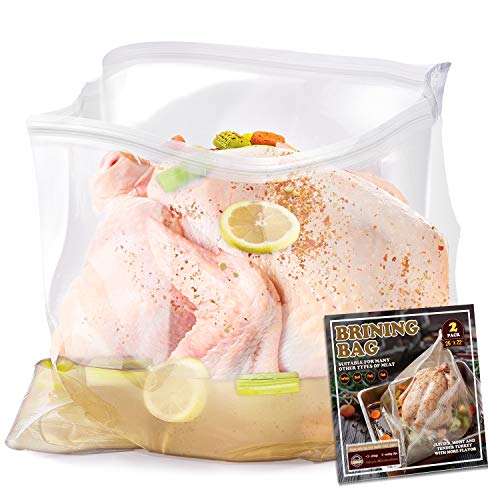
- [Great Sealing] Double track zippers turkey brining bags sealed tight without breaking or leaking, and there is no trouble with…
- [More Durable] Made of heavy duty and BPA-free material, our brining bag is more durable than others. The density of this bag i…
- [Extra Large Bags] These heavy-duty brining bags can accommodate up to 35 pounds of thanksgiving turkey. There was plenty of sp…
Timing that actually matters
Dry brine at least 4 hours ahead for smaller cuts like chicken pieces, and up to 24 hours for a whole turkey or brisket — longer generally gives better results up to that point, with diminishing returns after. Wet brine timing is less forgiving: too short and it barely penetrates, too long (past about 12-24 hours for poultry) and the texture starts turning spongy rather than juicy.
The practical answer for most home cooks
If you’re only going to learn one, learn dry brining — it works on more cuts, needs less equipment, and doubles as prep you’d want to do anyway (seasoning ahead, drying the surface). Save wet brining specifically for lean poultry cuts where the extra moisture genuinely changes the outcome.