The rub is the difference between good BBQ and forgettable BBQ.
You can nail the smoke, hit the internal temp, wrap at exactly the right moment — and a bad rub will still ruin the cook. This guide ranks the best commercial BBQ rubs in 2026 by protein type. Some are salt-forward, some sugar-forward, some heavy on paprika. Match the rub to the protein and cook style and every cook levels up.
In this guide (jump ahead)
Disclosure: PitPrimer earns commission on qualifying purchases through Amazon Associates. Rankings reflect editorial synthesis of manufacturer specs, owner reviews, and category expertise.
The four rub categories and when to use each
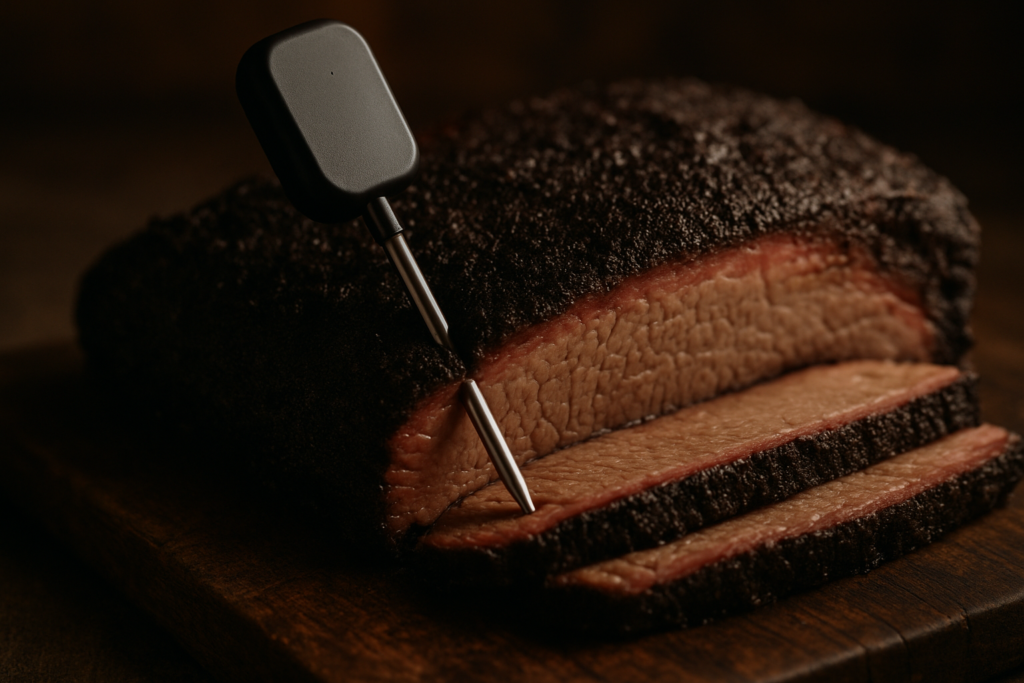
- Beef / brisket rubs — salt-forward, coarse grind, minimal sugar. Salt + pepper + garlic is the Texas trinity. Sugar burns at brisket-cook temps (225-275F) over long durations, so brisket rubs skip it.
- Pork / rib rubs — sugar-forward, paprika-heavy. Pork loves sweetness. Brown sugar + paprika + salt is the Kansas City backbone. Bark builds fast with sugar.
- Chicken / poultry rubs — finer grind, more herbs (sage, thyme, tarragon). Chicken cooks fast (hot-and-fast at 325-400F) so rubs can be finer without burning.
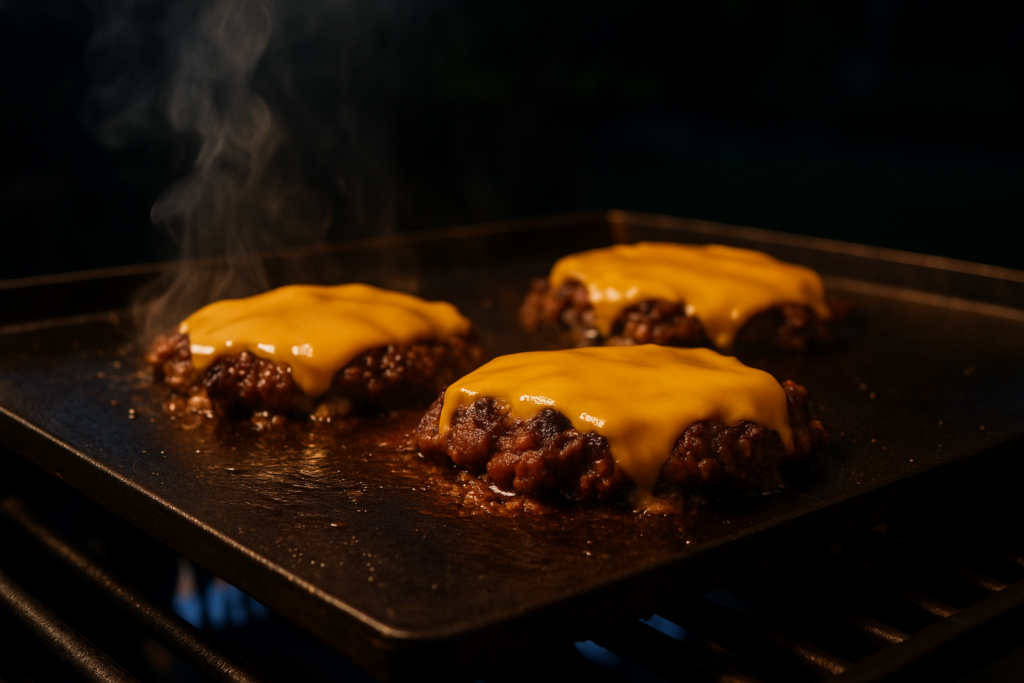
- All-purpose / gameday rubs — balanced salt-to-sugar ratio, work on burgers, wings, drumsticks, kabobs. The jar you reach for on Tuesday when you have not planned dinner.
Fastest way to pick
- Best all-round brisket rub ~$12-18: Meat Church Holy Cow or Kosmos Q Cow Cover. Salt + pepper + garlic done right.
- Best all-round rib rub ~$10-15: Meat Church Honey Hog or Killer Hogs The BBQ Rub. Sweet-forward bark builder.
- Best chicken rub ~$8-14: Meat Church Deez Nuts (honey pecan) or Blues Hog Bold. Herbaceous with a hint of sweetness.
- Best all-purpose gameday ~$8-12: McCormick Grill Mates Smokehouse Maple or Bad Byron’s Butt Rub. Not the most exciting but reliably good on anything.
- Best premium multi-pack ~$40-60: Meat Church Signature Bundle or Killer Hogs BBQ Rub Sampler. Try before you commit to one rub for the season.
- Best low-sodium option ~$14-20: Dizzy Pig Cow Lick Steak Rub or Oakridge BBQ Santa Maria Chophouse. Great flavor, ranked highest for salt-sensitive cooks.
The specs that separate a $5 rub from a $18 rub
- Salt as first ingredient — almost every rub lists salt first (largest by weight). That is fine. What matters is what comes after: if the second, third, and fourth ingredients are sugar, garlic, and paprika, you have a rub. If they are corn starch, MSG, and citric acid, you have a filler-heavy mix.
- Grind coarseness — brisket rubs need coarse (16-mesh) black pepper for bark. Rib and chicken rubs prefer medium grind (24-32 mesh). Fine grind (60+ mesh) is for finishing, not for a bark-building cook.
- Sugar type — turbinado (raw) sugar caramelizes cleaner than white cane sugar. Brown sugar has molasses for depth. Honey powder adds a floral note. Cheap rubs use dextrose (corn sugar) as filler.
- Paprika type — Hungarian sweet paprika is the standard. Smoked paprika (pimenton) adds depth. Ancho chile powder is a heat-plus-flavor upgrade over pure chile powder.
- Filler content — some cheap rubs have 30-50% cornstarch or dextrose. Reduces cost per pound but dilutes flavor. Ranking-wise, premium rubs cost more per ounce but deliver more actual seasoning per application.
- MSG — some competition rubs contain MSG (Meat Church, Killer Hogs) and taste better for it. Not a health concern in normal use. If you avoid MSG for personal reasons, read the label.
Best BBQ rub by protein
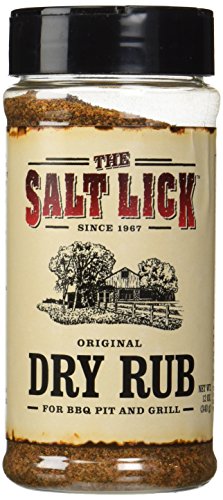
Best brisket rub: Meat Church Holy Cow, Kosmos Q Cow Cover, Salt Lick BBQ Rub
All three are salt-pepper-garlic (SPG) formulations with light additional spice. Meat Church Holy Cow (about $14) is the mainstream competition-tier pick with a slightly larger black pepper grind. Kosmos Q Cow Cover (about $16) leans a bit spicier with cayenne. Salt Lick BBQ Rub (about $12) is the classic central-Texas smokehouse choice, milder and cleaner.
Where they rank lower than DIY: none of them are meaningfully better than 3:1 kosher salt to 16-mesh black pepper made at home. The convenience is worth $12-16 for most cooks. Any of these three is a defensible brisket rub.
- Meat Church Holy Cow
- Kosmos Q Cow Cover
- BUILT FOR BEEF & BEYOND: This is the rub that red meat dreams of. Kosmos Q Cow Cover is bold, smoky, and packed with a flavor l…
- RICH, ROBUST FLAVOR PROFILE: Crafted with chili pepper, garlic, onion, sugar, paprika, and hickory smoke flavor, Cow Cover deli…
- ALL-PURPOSE BBQ SEASONING THAT GOES THE DISTANCE: This isn’t just a beef rub—it’s a go-to meat and hamburger seasoning for poul…
- Salt Lick BBQ Rub Original
- Oakridge BBQ Black Ops (SPG+)
- TEXAS-STYLE BBQ RUB WITH A TWIST – This Texas BBQ-inspired rub focuses on heavy salt & pepper with next-level ingredients that…
- INSANE BARK & TEXTURE – This rub contains sumac, a dried and crushed berry used by some Texas pitmasters as a secret ingredient…
- NEXT-LEVEL FLAVOR – A special blend of salt, pepper, garlic, onion, msg, beef stock, grilled meat flavor, sumac and other ingre…


Best rib rub: Meat Church Honey Hog, Killer Hogs The BBQ Rub, Blues Hog Original
Sweet-forward Kansas City style. Meat Church Honey Hog (about $14) has honey powder and turbinado sugar plus paprika. Killer Hogs The BBQ Rub (about $12) is Malcolm Reed’s competition recipe: brown sugar, paprika, chile blend. Blues Hog Original Dry Rub (about $13) is the sauce-brand rub version: paprika-heavy, moderate sweetness.
All three build proper bark on ribs at 225-250F over 5-6 hours. Any is a strong pick; if you want spicier, try Meat Church Honey Hog Hot.
- Meat Church Honey Hog
- Meat Church BBQ Rub Combo: Honey Hog (14 oz) and Holy Gospel (14 oz) BBQ Rub and Seasoning for Meat and Vegetables, Gluten Free…
- Meat Church Honey Hog Hot
- Killer Hogs The BBQ Rub
- Blues Hog Original Dry Rub
- CLASSIC SOUTHERN-STYLE FLAVOR: A slightly sweet and savory dry rub with an earthy depth, perfect for ribs, brisket, pork, poult…
- GOURMET BBQ RUB: Elevate your grilling game with a competition-style seasoning made for the smoker, grill, or oven
- ALL-NATURAL & GLUTEN-FREE: Made with high-quality, natural ingredients and no artificial additives


Best chicken rub: Meat Church Deez Nuts, Blues Hog Bold, Killer Hogs Steak Rub
Herbaceous and slightly sweet. Meat Church Deez Nuts (about $14) has honey and pecan for a soft-sweet chicken profile. Blues Hog Bold (about $13) leans savory with rosemary and thyme. Killer Hogs Steak Rub (about $12), despite the name, is excellent on rotisserie chicken thanks to a garlic + herb combo.
Chicken cooks fast (325-400F), so fine grinds are OK. The rub should complement not overwhelm — chicken has milder base flavor than pork or beef.
- Meat Church Deez Nuts
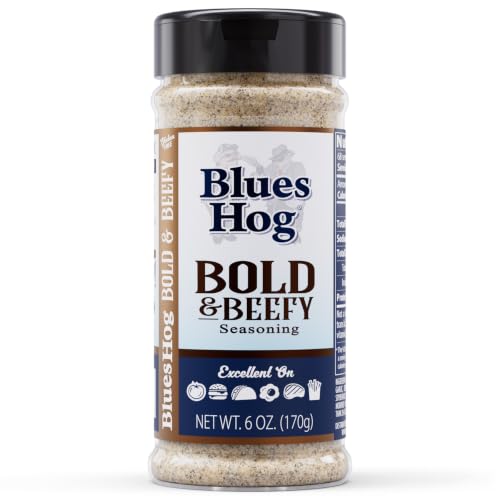
- Blues Hog Bold
- BOLD, BEEFY FLAVOR: A rich and smoky seasoning with deep umami notes, originally crafted as a brisket rub and perfect for steak…
- DELIGHTFULLY VERSATILE: Beef it up! Use on everything from tacos, veggies, and eggs to fries, baked potatoes, poultry, and seafood
- GOURMET BBQ RUB: Take your BBQ to the next level with this competition-style dry rub designed for grilling, smoking, roasting,…
- Killer Hogs Steak Rub
- CHAMPIONSHIP STEAK RUB – This steak rub is the perfect combination of seasonsings and spices to put on steaks, chops, and even…
- HIGHEST RATED RUB – We’ve been making this rub for over 10 years, shipping tens of thousands across the United States, and sati…
- DESIGNED FOR CONSISTENT RESULTS – We developed this steak rub so you don’t have to worry about seasoning your steaks, chops, or…
- Butcher BBQ Grilling Salt (chicken)
- TWO BOLD BBQ FAVORITES FOR BURGERS & CHICKEN Bring juicy grilled chicken, sizzling smash burgers, smoky roasted potatoes, and b…
- GARLIC HERB & CRACKED PEPPER GRILLING FLAVOR The Grilled Chicken with Sea Salt, Garlic & Herbs delivers savory herb-forward fla…
- PERFECT FOR BURGERS, CHICKEN & FAMILY COOKOUTS Season burgers, chicken breasts, wings, steak, seafood, fries, roasted vegetable…

Best all-purpose gameday rub: McCormick, Bad Byron’s Butt Rub, Weber Kick’N Chicken
The jar you reach for on Tuesday. McCormick Grill Mates Smokehouse Maple (about $8) is drugstore-tier but genuinely good on burgers, wings, and drumsticks. Bad Byron’s Butt Rub (about $10) is the go-to for pork chops and burgers, sold in yellow-lid canisters at BBQ shops. Weber Kick’N Chicken (about $9) works on chicken, pork chops, and turkey burgers.
Where they rank lower than protein-specific: they are compromise formulas. Fine for weeknight cooks; a dedicated brisket or rib rub outperforms on long cooks.
- McCormick Smokehouse Maple
- SWEET AND SMOKY: McCormick Grill Mates Smokehouse Maple Seasoning adds a sweet, smoky finish to your signature BBQ recipes
- NATURALLY FLAVORED: Features a mix of hickory smoke, brown sugar, orange peel and maple for familiar flavors and an attractive…
- MADE FOR MASTER GRILLERS: Blended with chefs in mind, each 28-ounce seasoning is perfect for back-of-house usage and customizin…
- Byrons Butt Rub`” `”Bad Byrons
- Award-Winning BBQ Seasoning – Famous for its balanced blend of savory, smoky, and mildly spicy flavors, trusted by championship…
- Versatile All-Purpose Rub – Perfect for pork, chicken, beef, seafood, and vegetables, or as a seasoning for chili, beans, and m…
- Premium Quality Ingredients – Crafted with a mix of salt, pepper, onion, garlic, paprika, and chipotle for bold flavor without…
- KickN Chicken Seasoning`” `”Weber KickN
- Use these reliable Weber Aluminum Drip Pans to line the drip tray of your Weber Gas Grill, simplify grease disposal, and make t…
- Compatibility: Foil liners for grease catch pan designed to work with Weber Q, Pulse, Lumin, Weber Traveler, Spirit, Spirit II,…
- Durable and Versatile Utility: These drip pans are constructed of 100% recyclable aluminum; Can also be used to cook side dishe…
- Grill
- 823 Square Inches: Includes 475 sq. in. porcelain-enameled steel wire cooking grates, 151 sq. in. chrome-plated warming rack an…
- Tasty Smoke Flavors: The offset smoker is firmly attached to charcoal grill to ensure good circulation of heat and smoke. Easy…
- Adjustable Lifting Rack: The two-level height-adjustable charcoal pan ensures enhanced control over cooking temperatures by adj…


Best premium multi-pack: Meat Church, Killer Hogs, Blues Hog samplers
Trying to figure out which brand fits your style? Multi-packs let you sample four or five rubs at $40-60. Meat Church Signature Bundle is the most popular. Killer Hogs Championship Sampler covers their competition line. Blues Hog samplers include sauce + rub combos.
- Meat Church Signature 4-Pack
- Killer Hogs Championship Sampler
- Blues Hog Sauce + Rub Sampler
- 8 FLAVORS. ONE BOX. ENDLESS BBQ POSSIBILITIES: Includes eight 3 oz. bottles spanning sweet, smoky, tangy, savory, and spicy fla…
- THE ULTIMATE GIFT FOR BBQ LOVERS: A fun, gift-ready sampler for grill masters, pitmasters, BBQ fans, hosts, foodies, and anyone…
- A FLAVOR FOR EVERY CRAVING: Includes Raspberry Chipotle (sweet & spicy), Original (sweet & bold), Champions’ Blend (sweet, smok…

Best low-sodium: Dizzy Pig Cow Lick, Oakridge BBQ Santa Maria
Standard commercial rubs run 25-40% salt by weight. For salt-restricted diets, Dizzy Pig Cow Lick Steak Rub is a rare “flavor first, less salt” option (~15% salt). Oakridge BBQ Santa Maria Chophouse is another option at similar salt content. Both rely on garlic, chile, and roasted spice depth rather than salt as the flavor driver.
- Dizzy Pig Cow Lick Steak Rub
- Cow Lick Spicy Beef Rub, the now-famous, Texas style rub makes everything beef pop right off the plate, grill or pan.
- This Dizzy Pig original beef rub seasoning is filled with loads of fresh ground pepper, earthy chilies, paprika, garlic and oni…
- It’s the perfect complement to brisket, burgers, steaks, prime rib, meatloaf, and chili.
- Oakridge BBQ Santa Maria Chophouse
- Mrs Dash Grilling Blend (no salt)
- All the flavor without the salt
- A versatile blend of 14 herbs and spices
- Easy to use shaker top


Common mistakes to avoid
- Using a sweet rub for brisket. Sugar burns at brisket-cook temps over 10+ hours. Result: bitter bark. SPG-only for brisket.
- Salting AND rubbing a store-bought rub. The rub already has 25-40% salt. Adding kosher salt on top oversalts the meat.
- Applying rub then cooking immediately. Rest 30-60 minutes at room temp after rubbing for salt to penetrate. Overnight rubbing is even better for larger cuts.
- Storing rub in the fridge. Humidity clumps it. Keep in a dry pantry, ideally an airtight jar.
- Buying one rub for everything. Sweet rub on brisket = burnt bark. Salty rub on chicken = oversalted meat. Match the rub to the protein.
- Trusting the “brisket rub” label unquestioningly. Some so-labeled rubs have sugar. Read the ingredient list: if brown sugar or turbinado appears in the top four, it is not a proper long-cook brisket rub.
Frequently asked questions
Should I make my own rub or buy commercial?
Homemade lets you control salt content and match your taste. Commercial saves 20 minutes and delivers consistent results. Both are valid. Even competition BBQ teams use commercial rubs mixed with their own additions.
How much rub per pound of meat?
Rough rule: 1 tablespoon per pound of meat for lean cuts (chicken, pork loin), 2 tablespoons per pound for fatty cuts (brisket, pork shoulder, ribs). Adjust to taste.
Do I need mustard as a binder?
Optional. Yellow mustard, hot sauce, or even a light oil helps the rub stick and adds no meaningful flavor after the cook. Some folks skip it. Both approaches work.
How long does an opened jar of BBQ rub last?
6-12 months if kept in an airtight jar in a dry pantry. Flavors dull over time. Buy the size you will use in a season.
Are competition rubs actually better?
Brand-name competition rubs (Meat Church, Killer Hogs, Blues Hog, Kosmos Q) win real BBQ competitions consistently. They are formulated by pitmasters who cook thousands of pounds of meat per year. The premium is real. Whether it is worth $4-6 more per jar depends on how much you cook.
Bottom line
The right BBQ rub depends on the protein and the cook. Brisket = SPG-only (Meat Church Holy Cow, Kosmos Q Cow Cover). Ribs and pork = sweet-forward (Meat Church Honey Hog, Killer Hogs The BBQ Rub). Chicken = herbaceous (Meat Church Deez Nuts, Blues Hog Bold). Weeknight gameday = all-purpose (Bad Byron’s Butt Rub, McCormick Grill Mates). Match rub to protein and the cook levels up.
See also: Best Father’s Day Grills and BBQ Gifts 2026: The Complete Gift Guide (Any Budget)
More BBQ and grilling picks: PitPrimer covers pellet smokers, gas grills, griddles, and accessories with a focus on ranked comparisons rather than one-brand cheerleading. Bookmark the home page for the latest guides.
Related PitPrimer guides
- Best BBQ Gloves 2026: Heat Rating, Dexterity, and Food-Safe Picks for Every Cook
- Best BBQ Cover 2026: Pellet Grill, Gas Grill, and Griddle Covers Ranked by Weather Protection
- Best Portable BBQ for Camping and Tailgating 2026: Charcoal, Propane, and Pellet Picks
- Best Fall BBQ Setups 2026: Cold-Weather Smokers, Covers, Insulation Blankets, and Autumn Recipes
Frequently asked questions
How were these products selected?
This guide is a research-based synthesis of product specs, brand reputation, current Amazon reviews, and category trends. It is not a hands-on review – use it to narrow options before you buy.
What price range should I expect?
Prices vary significantly across the categories above. Entry options start at the lower end of each tier listed, while premium picks can be several times more. Amazon pricing changes frequently, so confirm current numbers on the product listings.
Should I always buy the most expensive option?
Not necessarily. Premium products offer better materials, longer warranties, and higher-end features, but mid-tier picks meet the needs of most buyers. Match the pick to your actual use case rather than defaulting to the top of the price range.
How often is this guide updated?
This guide is refreshed as new products launch and older picks are discontinued. Amazon pricing and stock change daily – always confirm current price and availability on Amazon before purchase.
Where is the best place to buy?
Amazon is linked throughout this guide because it typically has broad selection, current pricing, and standardized return policies. Direct manufacturer sites and specialty retailers are also options depending on category and preference.
Shop the Amazon Storefront
Every pellet smoker, grill, and BBQ accessory recommendation – curated in one Amazon Storefront.
Try Amazon Prime free for 30 days – fast pellet and BBQ ingredient delivery
As an Amazon Associate and Amazon Influencer, we earn from qualifying purchases at no extra cost to you.