Tailgate cooking is a mini-BBQ discipline of its own.
Cooking away from your patio – at a campground, at the ball park, in an RV, at a beach – trades your main smoker for smaller, portable, wind-resistant gear. This guide covers our portable camping stove and outdoor cooking station picks for 2026, from 20,000 BTU dual-burner stoves to full 40,000 BTU propane wok stations.
In this guide (jump ahead)
- Portable camping stoves vs full outdoor cooking stations
- 1. Best portable dual-burner: 20,000 BTU camping stove with 3-sided windscreen
- 2. Best outdoor cooking station: 40,000 BTU propane wok station
- What matters when buying portable outdoor cooking gear
- What to cook away from your main smoker
- Common portable outdoor cooking mistakes
- Related PitPrimer guides
- Bonus: Portable Charcoal Grills for On-the-Go BBQ
- Editor’s ranking
- Related PitPrimer guides
Disclosure: PitPrimer earns commission on qualifying purchases through Amazon Associates and select brand campaigns.
Portable camping stoves vs full outdoor cooking stations
Two very different categories with different jobs:
See also: Best Portable BBQ for Camping and Tailgating 2026: Charcoal, Propane, and Pellet Picks
- Portable camping stove – 15-25 lb, folds up like a briefcase, single 16 oz propane bottle. Good for cooking for 2-6 people over 30-60 minutes. Best for tent camping, tailgates, RV supplemental cooking.
- Outdoor cooking station – 40+ lb, full standing station with prep table, storage, wheels. Big-BTU burner for high-heat wok, stir fry, deep fry. Best for backyard entertaining, “outdoor kitchen” builds, and cooks that need real heat.
Fastest way to pick
- Tailgate + camping (2-6 people): 20,000 BTU dual-burner portable stove with windscreen. Roughly $85.
- RV or full-time outdoor cook (2-4 people): single-burner heavy-duty stove with piezo ignition and pressure regulator.
- Backyard entertaining + high-heat cooking: full 40,000 BTU propane wok station with prep table and storage.
- Emergency backup + all-purpose home use: 20,000 BTU dual-burner stove works indoors (with good ventilation) or outdoors.
1. Best portable dual-burner: 20,000 BTU camping stove with 3-sided windscreen
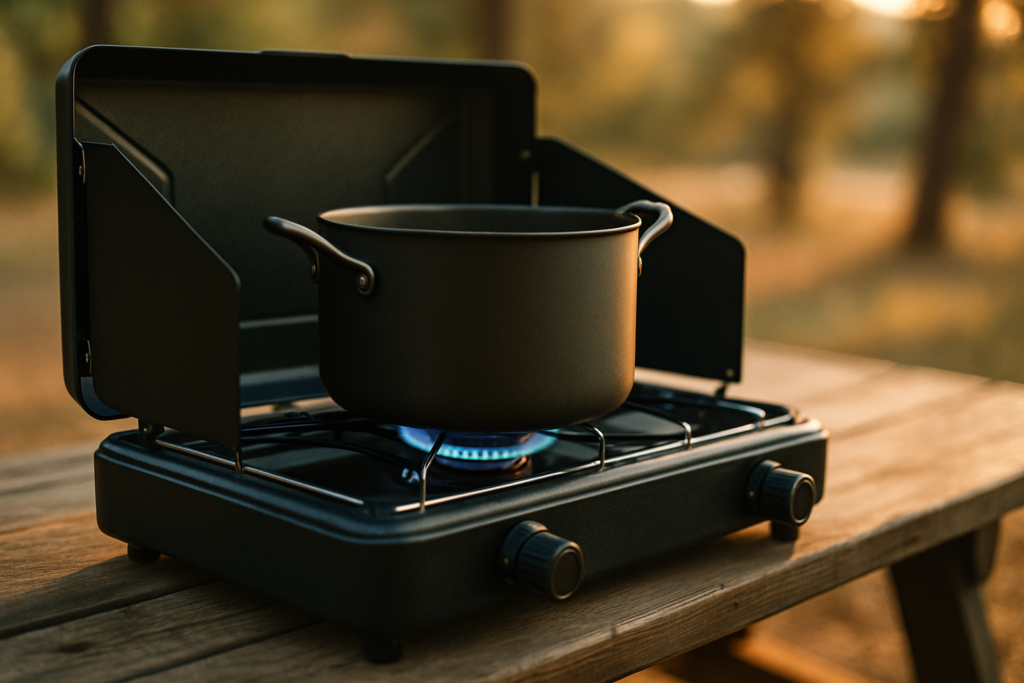
Our top portable camping stove pick delivers 20,000 BTU total across two independent burners. Big enough to run a 12″ pan and a 10″ pan simultaneously – which sounds obvious until you try to make bacon AND pancakes AND eggs on a stove that only fits one pan.
Key features that separate this from generic camp stoves:
- Dual 10,000 BTU burners with independent knobs for stepless flame control
- 3-sided windscreen attached to the lid cover – the actual reason meals cook properly in windy conditions
- One-touch electronic ignition, no lighter or matches needed
- Standard 16 oz propane bottle (sold separately) runs about 1 hour on high heat
- Compatible with most standard camping cookware
Real-world use cases: family camping breakfast, tailgate burgers and sausages, RV supplemental cooking, backyard party overflow, kitchen renovation emergency backup, power outage cooking.
🔥 PitPrimer top pick: Portable Camping Stove – 2 Burner 20,000 BTUs with Windscreen and Instant Ignition
Alternative portable camping stove picks:
- Camp Chef Everest 2X (premium alternative)
- 40,000 BTU Performance: Dual 20K burners deliver fast heat and reliable output for any outdoor cooking trip.
- Built for the Outdoors: Folding lid with windscreen design makes this camping stove steady in breezy weather.
- Instant Start Ignition: Matchless ignition and precise controls give this propane stove quick, easy cooking.
- Coleman Cascade Classic (budget baseline)
- PORTABLE: Recessed carry handle and secure space to store regulator makes stove easy to transport; heavy-duty latch keeps the s…
- EASY TO CLEAN: Removable chrome-plated pan support and aluminized steel cooktop for quick cleanup
- IMPROVED COOKING CONTROL: Improved knob rotation for precise temperature and simmer control of 2 adjustable burners; rotary ign…
- Camp Chef Explorer (freestanding)
- Powerful Two-Burner Camp Stove: Dual 30,000 BTU cast-aluminum burners deliver fast, reliable heat anywhere.
- Built for Real Outdoor Cooking: Three-sided windscreen and sturdy design helps this propane gas stove perform in any weather.
- Portable and Adventure Ready: Detachable steel legs and included hose make setup quick at camp or tailgate.


2. Best outdoor cooking station: 40,000 BTU propane wok station
If your backyard cooking has grown past what a portable stove can handle – think dinner parties for 8+, elaborate wing nights, family stir-fry, or you want a place to sear steak bites without smoking up the house – a full outdoor cooking station is the right upgrade.
See also: Best Outdoor Fire Table for Backyard 2026: Propane, Wood-Burning, and Smokeless Fire Pit Picks
Our featured pick delivers 40,000 BTU from a single high-output propane burner, a full stainless steel worktop for prep, side handles + wheels for mobility, three storage shelves, utensil hooks, paper towel rack, and a wind guard that keeps the flame stable outdoors.
What 40,000 BTU actually means: this heats a 14″ wok to searing temperatures in about 90 seconds. Regular kitchen stoves top out around 18,000 BTU. That difference is why Chinese-food restaurants have wok setups you cannot replicate on a stove top – and why an outdoor wok station is the one accessory that unlocks a whole category of cooking at home.
Use cases: stir fry, fried rice, noodles, high-heat wings, teppanyaki, deep frying (turkey fry safely outdoors), searing steak bites, blackened fish, paella, jambalaya.
🔥 PitPrimer top pick: BBQMall Outdoor Wok Station – Propane 40,000 BTU with Prep Table and Storage
Alternative outdoor cooking stations:
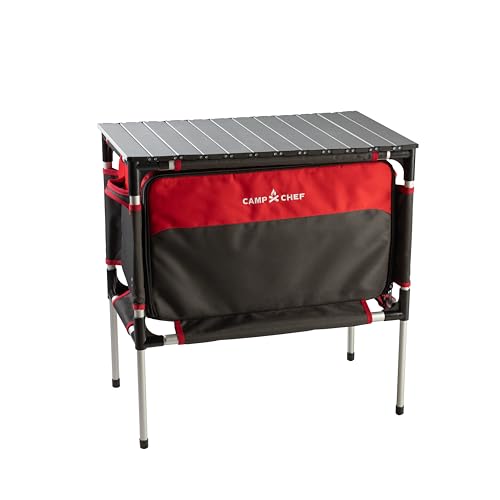
- Camp Chef Sherpa Camp Table (portable)
- # Versatile aluminum roll-top table# 600 denier fabric# 4 zippered compartment# Side pouch for transportation of table top
- # Padded carry handles for easy handling# telescoping aluminum legs# Unzip the lower divider to accomodate a Mtn Series stove#…
- * 15 3/4″ x 27″ x 18 1/4″ (with legs collapsed) * Table height with legs extended – 28″ * Table top dimensions: 27″ x 17″ * Ind…
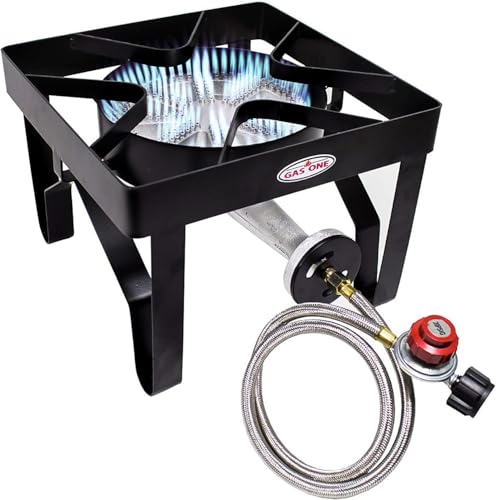
- GasOne 100k BTU (extreme)
- A Professional Choice: If you love outdoor cooking, it’s time to make it even more enjoyable and fun with Gas One! Our single g…
- Built to Last: The Gas One propane camp stove is built for superior performance and safe cooking! That’s why our outdoor burner…
- Heat-Control Regulator: Our propane burners for outdoor cooking come with a special regulator knob that allows easy heat contro…
- Camp Chef Explorer Deluxe (3-burner)
- THE ORIGINAL CAMP COOKING SYSTEM- The stove is just a start; mix and match accessories like BBQ Grill boxes, professional gridd…
- 3-PATENTED ALUMINUM BURNERS- Highly efficient “blue flame” burners with output of 30,000 BTU each. Connects to a bulk tank with…
- FITS 14″ SYSTEM ACCESSORIES- Look for the blue flame logo on your Camp Chef stove, then find accessories with the same logo to…

What matters when buying portable outdoor cooking gear
BTU output vs pan size
Rule of thumb: 10,000 BTU per burner is enough for boiling and simmering. 15,000+ BTU is needed for real searing. 30,000+ BTU is required for stir-fry and wok cooking. Marketing often quotes “total BTU” combining multiple burners – what matters is per-burner output.
Ignition reliability
Piezo electronic ignition is standard on all serious portable stoves in 2026. If a listing does not mention piezo or electronic ignition, plan on buying a long-neck lighter as backup. Ignition failures in the wind at a campsite are frustrating.
Windscreen effectiveness
The difference between a 3-sided attached windscreen and a “wind resistant burner” (just a burner claim) is huge. If you cook outdoors anywhere with wind – anywhere with a coastline, anywhere with prairies, anywhere at all elevation – insist on a proper windscreen.
Fuel type and availability
Options in order of ease:
- 1 lb (16 oz) propane bottles – available everywhere, run 60-90 min. Cheap.
- Adapter for 20 lb tank – required for extended use. Convert with a $20 adapter hose.
- Isobutane cans – lighter, cleaner burn, but expensive and less available.
- Solid fuel tabs – emergency backup only.
Every portable stove owner ends up buying the 20 lb tank adapter within a year. Buy it when you buy the stove.
- 1 lb propane bottles (4-pack)
- 20 lb propane tank adapter hose
- Updated Propane Hose Adapter — Alloxity propane hose adapter is specifically designed to fit perfectly for Weber Q grills, Cole…
- Leakage-proof Design — The heavy-duty brass adapters are precisely manufactured to ensure proper connection, preventing leakage…
- Save Tons of Money — Alloxity propane tank adapter is an excellent solution to save money. By connecting the propane hose to a…
- 20 lb propane tank (refillable)
- High-grade steel-welded construction; premium OPD (overfilling protection device) valve assembly
- DOT approved, X-ray and hydrostatic tested
- Powder-coated for long-lasting exterior protection


Compliance and safety
Some portable “camping” stoves are labelled as outdoor-only. Some are safe for use in an RV with proper ventilation. Some are certified for indoor use. Read the label. Cooking with propane in an enclosed space without carbon monoxide monitoring is genuinely dangerous.
- Portable CO detector
- Fast and Accurate: The TOPTES CT-580 Carbon Monoxide Detector is a manual inspection tool equipped with a high-sensitivity, hig…
- Suitable for Individual and Business Use: For personal needs, this CO alarm is ready to operate right out of the box, with a st…
- Three Alarm Modes: The CO alarm features three alarm modes: indicator light, audible alarm, and vibration. When the CO concentr…

What to cook away from your main smoker
The recipes that make portable outdoor cooking earn its space:
- Tailgate: smash burgers, hot dogs, brats, breakfast sandwiches, hot chocolate
- Camping: pancakes, bacon, eggs, quick pasta, foil packet dinners
- RV: everything you would cook on a home stove, just outside so the trailer stays cool
- Backyard party (wok station): high-heat stir fry, teppanyaki, blackened fish, wings, deep-fried turkey
- Emergency backup: full home cooking during power outages
Common portable outdoor cooking mistakes
- Underestimating wind. Even a 5 mph wind reduces a burner’s effective output by 30-40%. Always use the windscreen if the stove has one; carry a foil-and-clip windbreak if it does not.
- Buying “compact” only to leave it home. The camping stove that lives in the closet does not cook meals. Get the one you will actually pack.
- Cooking too close to the RV. Propane burners produce carbon monoxide. Cook outdoors, downwind of the sleeping area, and never inside an unventilated space.
- Skipping the pressure regulator. On a 20 lb tank, the pressure regulator is what keeps the flame consistent as the tank empties. Non-regulated setups get progressively weaker over a cook.
- Forgetting to test-fire before the trip. Ignition problems in the driveway are annoying. Ignition problems in a campground at 8 pm are dinner-ruining.
Related PitPrimer guides
- Best Pellet Smoker 2026
- Best Griddle for Gas Grill 2026
- Best Meat Thermometer for BBQ 2026
- Best Traeger Accessories 2026
Bonus: Portable Charcoal Grills for On-the-Go BBQ
Camping stoves handle propane cooking beautifully, but sometimes you want real charcoal flavor at a tailgate, beach, or campsite. Three portable charcoal grill picks worth featuring in 2026, all currently featured on Amazon with active discount codes for PitPrimer readers.
Filbee Portable Charcoal Grill CG10 (with 20% off promo)
Foldable design, no assembly required, 304 stainless steel grate, height-adjustable charcoal system (0.8-2.4 inches). At just under 17 lb, it fits in a car trunk or camping tote. Perfect for tailgates, beach parties, small patio gatherings, and camping trips where you want authentic charcoal flavor without hauling a full kettle.
🔥 PitPrimer reader promo: Use code OJ8HNGOT for 20% off (valid through September 9, 2026).
Safety note: Charcoal grills produce carbon monoxide. Only use outdoors in well-ventilated areas — never inside tents, garages, or enclosed spaces.
Innochef Portable Charcoal Grill Series
Innochef offers a range of portable charcoal grill sizes to fit different group sizes and travel styles:
- Small Tabletop Mini Hibachi – fits 1-2 person casual meals, super lightweight, cheapest entry: Innochef Small Tabletop Charcoal Grill
- Mid-Size with Built-in Thermometer + Adjustable Vent – the enthusiast pick for controlled charcoal cooking on the go: Innochef Mid-Size Charcoal Grill
- Larger with Ceramic Grate + 2-in-1 Side Tables + Pull-Out Ash Pan – group cooking (4-6 people): Innochef Larger Charcoal Grill
All fold flat for storage, all use standard briquets or lump charcoal, all suit picnics, camping, tailgating, and small patio grilling.
When portable charcoal vs portable propane
Both fuel types have their moments:
- Portable propane (like the camping stove featured above) — faster to ignite, cleaner cleanup, better in windy conditions, no ash to dispose of. Great when speed and convenience matter.
- Portable charcoal (Filbee, Innochef) — authentic smoky flavor, higher peak searing temperatures, no propane tank to source or carry, better for a longer picnic where the fire is part of the experience.
Many campers eventually own both. Charcoal for the leisurely cookout, propane for weeknight camping dinners.
Editor’s ranking
Camping, tailgating, or RV: the 20,000 BTU dual-burner portable stove with 3-sided windscreen at ~$85 handles everything from breakfast for six to dinner for four. Add a 20 lb propane adapter hose for extended use.
Backyard high-heat cooking, dinner parties, wok work, or turkey fry: BBQMall Outdoor Wok Station at ~$236. Full 40,000 BTU burner in a proper station with prep table, storage, and wheels. Unlocks stir fry, wok, and searing at temperatures no kitchen stove can match.
Whatever you pick: get the windscreen or the wind guard, verify pressure regulator quality, keep a portable CO detector nearby if you cook in any enclosed space, and always test-fire before the trip.
Please verify current prices and availability before ordering. Some products in this category go in and out of stock seasonally.
About this guide
Our recommendations synthesize manufacturer specifications, published editorial reviews (AmazingRibs, Wirecutter, Serious Eats, Meathead), and community feedback from BBQ forums (r/smoking, r/BBQ, Smoking Meat Forums), cross-checked against real-world reports. We do not accept payment for recommendations. Where a product is covered by an active brand campaign, we disclose that in the post; otherwise all recommendations are independent of manufacturer relationships.
Last reviewed: July 2026
Related PitPrimer guides
- Best Backyard Party BBQ Setup 2026: Grill + Griddle + Cooler + Prep Gear Complete Guide
- Best Portable BBQ for Camping and Tailgating 2026: Charcoal, Propane, and Pellet Picks
- Best Ninja Woodfire Outdoor Grills 2026: OG700, OG800, and OG900 Series Compared
- Best BBQ Setup for Beginners 2026: Complete First-Time Backyard BBQ Guide
Frequently asked questions
How were these products selected?
This guide is a research-based synthesis of product specs, brand reputation, current Amazon reviews, and category trends. It is not a hands-on review – use it to narrow options before you buy.
What price range should I expect?
Prices vary significantly across the categories above. Entry options start at the lower end of each tier listed, while premium picks can be several times more. Amazon pricing changes frequently, so confirm current numbers on the product listings.
Should I always buy the most expensive option?
Not necessarily. Premium products offer better materials, longer warranties, and higher-end features, but mid-tier picks meet the needs of most buyers. Match the pick to your actual use case rather than defaulting to the top of the price range.
How often is this guide updated?
This guide is refreshed as new products launch and older picks are discontinued. Amazon pricing and stock change daily – always confirm current price and availability on Amazon before purchase.
Where is the best place to buy?
Amazon is linked throughout this guide because it typically has broad selection, current pricing, and standardized return policies. Direct manufacturer sites and specialty retailers are also options depending on category and preference.
Shop the Amazon Storefront
Every pellet smoker, grill, and BBQ accessory recommendation – curated in one Amazon Storefront.
Try Amazon Prime free for 30 days – fast pellet and BBQ ingredient delivery
As an Amazon Associate and Amazon Influencer, we earn from qualifying purchases at no extra cost to you.